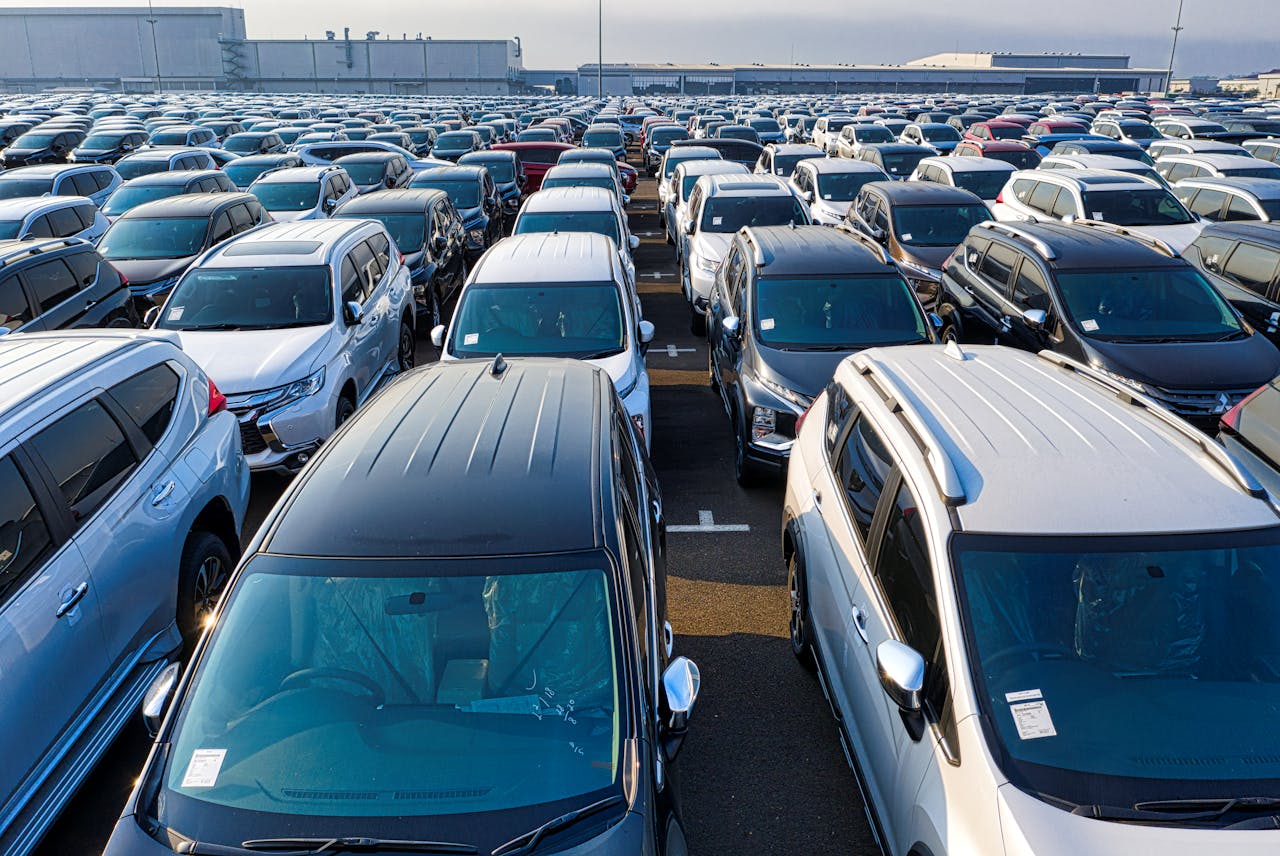
The automotive auction market has always been one of the key drivers of vehicle transport demand in the United States. From independent dealers sourcing inventory to large dealer groups managing multi-state distribution, auctions remain a primary channel for acquiring vehicles quickly and efficiently.
In 2026, however, the relationship between auctions and transportation demand is evolving. Shifts in digital auction platforms, changes in dealer buying behavior, and growing pressure on logistics timelines are reshaping how vehicles move from auction lanes to dealer lots. For carriers, brokers, and dealers alike, understanding these trends is becoming essential for maintaining efficient operations.
This article explores how auction volume trends are influencing vehicle transport demand and what industry participants should expect in the months ahead.
The Continued Growth of Digital Auctions
Over the past several years, digital auction platforms have expanded significantly. Dealers no longer need to physically attend auctions in order to secure inventory, and many now source vehicles from multiple regions simultaneously.
As online participation increases, the geographic spread of purchased vehicles has widened. Dealers in the Midwest might buy vehicles from auctions in Florida, Texas, or California without leaving their offices. While this dramatically increases inventory options, it also creates new challenges for transportation providers.
The most immediate impact is a rise in long-distance vehicle transport. Instead of moving vehicles within a local region, carriers are increasingly handling cross-country or multi-state shipments originating from auction facilities.
This shift means that carriers must manage longer routes, more complex load planning, and tighter delivery schedules. At the same time, auction facilities are seeing higher vehicle turnover, which increases the urgency for transport coordination immediately after purchase.
Auction Volume and Seasonal Transport Peaks
Auction volume is not constant throughout the year. Instead, it follows a pattern driven by dealer inventory cycles, lease returns, and consumer demand trends.
The first quarter of the year often sees an increase in auction activity as dealers replenish inventory after the holiday season. Lease returns and fleet turnover also contribute to higher auction listings during this period.
When auction volume increases, transportation demand typically rises in parallel. However, the logistics sector does not always scale capacity at the same pace. This imbalance can lead to several operational challenges, including longer dispatch times, higher transport costs, and extended vehicle dwell time at auction facilities.
In 2026, early indicators suggest that auction activity is once again increasing in several major regions. Dealers looking to move inventory quickly may need to secure transport earlier than in previous years to avoid delays.
Regional Auction Concentration and Transport Patterns
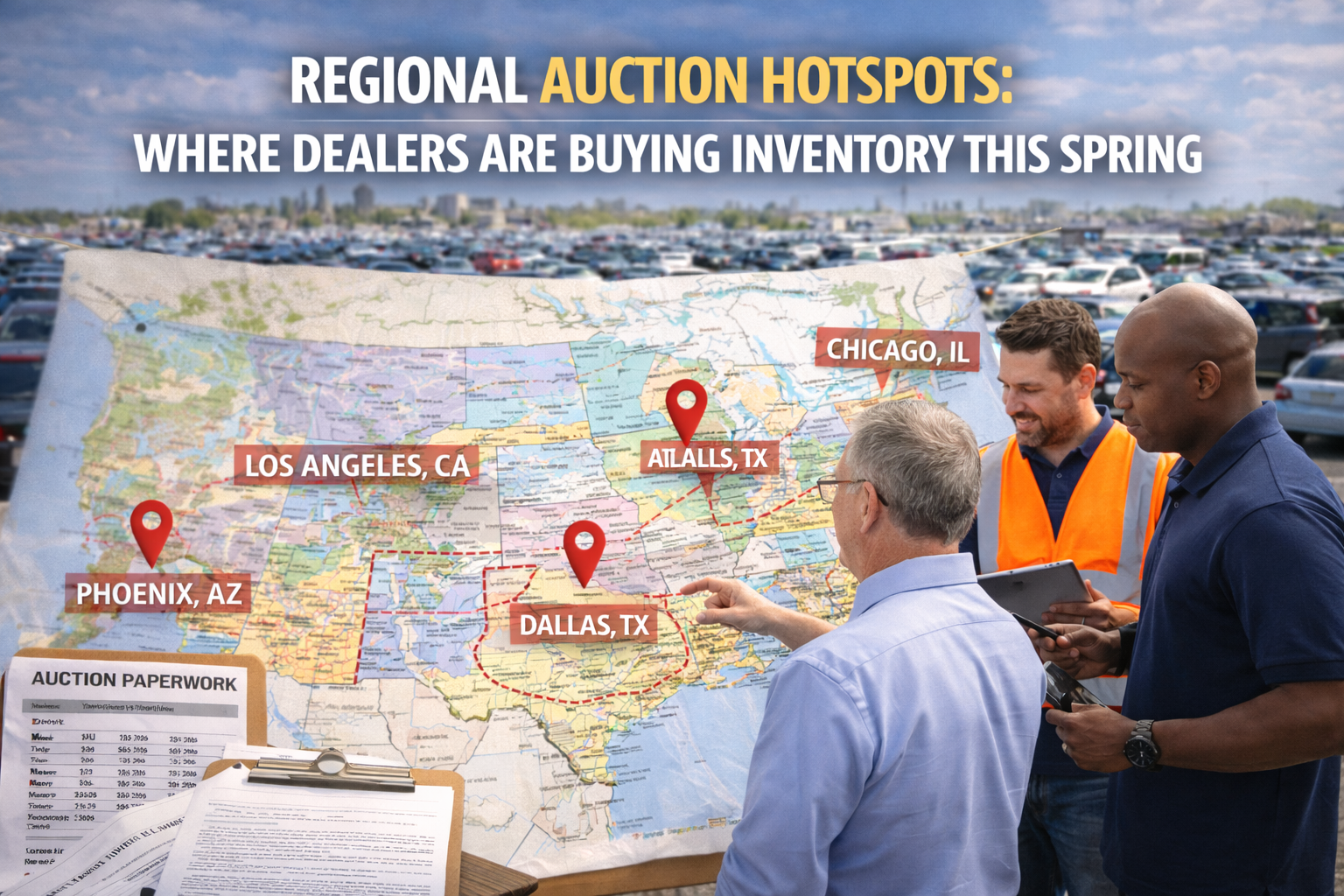
Another factor influencing vehicle transport demand is the concentration of major auction hubs across the United States.
Certain regions consistently generate large volumes of auction inventory. States such as Florida, Texas, California, and Georgia are home to some of the busiest auction facilities in the country. Vehicles purchased in these regions are frequently transported to dealer markets in the Midwest, Northeast, and Mountain states.
This geographic imbalance creates predictable transport corridors. Carriers operating in the industry often focus on these routes because they offer consistent load availability and efficient route planning.
However, when auction volumes spike in specific regions, transport networks can quickly become saturated. In those cases, carriers may prioritize higher-volume shipments or long-distance routes that provide better operational efficiency.
For dealers purchasing vehicles from high-volume auction locations, this can result in longer wait times before a carrier is available.
Increased Pressure on Auction-to-Dealer Delivery Time
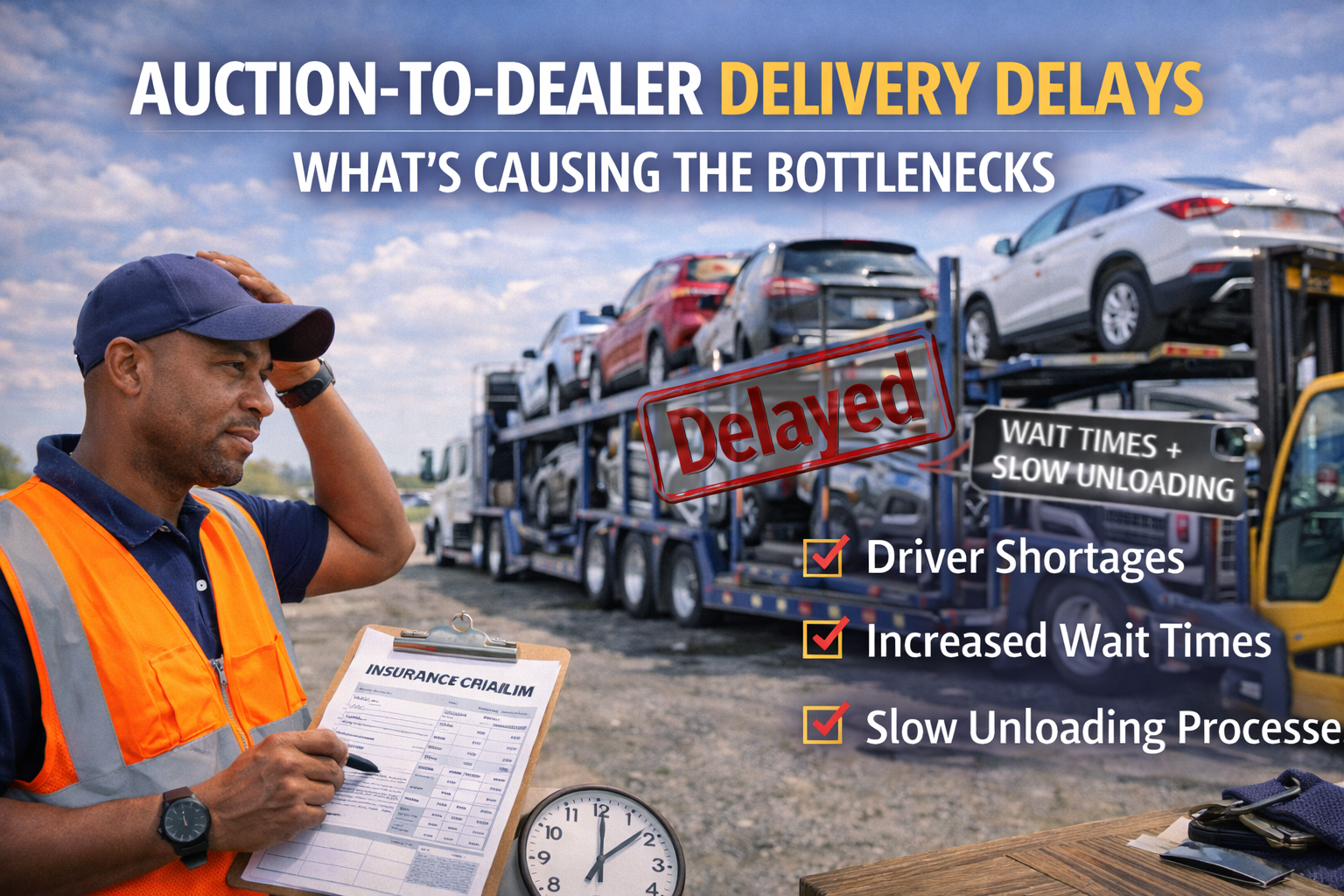
Speed has become a critical factor in modern dealer operations. The faster a vehicle reaches the dealership, the sooner it can be inspected, reconditioned, and listed for sale.
Auction buyers are therefore placing greater emphasis on rapid transport coordination immediately after winning a vehicle. Many dealer groups now track auction-to-lot delivery time as a key operational metric.
This growing pressure on delivery timelines is affecting how carriers schedule loads. Instead of waiting for multiple vehicles to fill a trailer, some transport providers are prioritizing faster dispatch cycles in order to meet dealer expectations.
While this approach can improve delivery speed, it also reduces route optimization opportunities. As a result, carriers may need to adjust pricing structures or route planning strategies to maintain profitability.
Small Fleet Carriers Entering the Auction Transport Market
One notable development in the past few years has been the increasing participation of small carrier fleets in auction vehicle transport.
Traditionally, larger fleets dominated high-volume transport routes between major auction hubs and dealer markets. However, the growth of digital load boards and broker platforms has made it easier for smaller carriers to access auction-related transport jobs.
These small fleets often operate with greater flexibility. They can accept individual loads or partial routes that larger carriers might ignore, allowing them to fill gaps in the logistics network.
For dealers and brokers, this expanding pool of carriers can improve load coverage and reduce dispatch delays. At the same time, it introduces new considerations related to carrier reliability, insurance documentation, and vehicle handling standards.
Transportation Capacity and Market Volatility
Transportation demand driven by auction activity can fluctuate rapidly. Sudden increases in auction volume may overwhelm carrier availability, especially in regions with limited transport capacity.
When this happens, transport rates typically rise as brokers compete for available trucks. Dealers that rely on rapid vehicle movement may need to adjust budgets or accept longer transit timelines.
Market volatility can also affect route availability. If a particular corridor experiences a surge in demand, carriers may shift resources to capitalize on higher rates in that area. This can leave other regions temporarily underserved.
Industry participants who closely monitor auction volume trends are better positioned to anticipate these shifts and secure transport capacity before bottlenecks develop.
Technology’s Role in Auction Transport Coordination
Technology continues to play an important role in connecting auction buyers with transport providers.
Modern logistics platforms allow dealers to request transport quotes, assign carriers, and track shipments in real time. These tools improve transparency and reduce the administrative workload associated with vehicle logistics.
Some auction platforms are also integrating transportation services directly into their purchasing systems. This allows dealers to schedule vehicle transport immediately after completing a purchase, reducing delays and simplifying coordination.
As these systems become more widely adopted, the gap between auction purchase and transport dispatch is expected to shrink further.
The Impact on Dealer Inventory Strategy
For dealers, the evolving relationship between auction volume and transportation logistics is influencing how inventory decisions are made.
Some dealer groups now prioritize auctions located within more predictable transport corridors, even if vehicle prices are slightly higher. The ability to move vehicles quickly can outweigh small differences in purchase cost.
Others are working with transportation providers more closely, coordinating weekly or monthly shipment schedules to streamline logistics.
These strategies highlight the growing importance of transportation planning in dealer operations. Auction purchases are no longer isolated transactions—they are part of a larger logistics chain that determines how quickly vehicles reach retail markets.
Looking Ahead
As auction platforms continue to expand and dealer buying behavior evolves, the demand for vehicle transport will remain closely tied to auction activity.
In 2026, several trends are likely to shape the market:
- continued growth of digital auctions
- increased geographic diversity in dealer purchases
- greater reliance on flexible carrier networks
- stronger emphasis on delivery speed and inventory turnover
For carriers, brokers, and dealers, adapting to these changes will be essential for maintaining efficiency in the vehicle distribution process.
Understanding auction volume trends—and their impact on transport demand—will help industry participants anticipate market shifts and plan logistics strategies more effectively.