When dealers purchase vehicles from auctions located in different regions, transportation becomes a critical part of the logistics process. One of the most common decisions dealers must make is choosing between open and enclosed vehicle transport.
Both methods are widely used within the automotive logistics industry, but they serve different purposes and come with different costs, risks, and operational considerations.
Understanding how these transport methods differ helps dealers choose the most efficient and appropriate solution for each vehicle shipment.
What Is Open Vehicle Transport
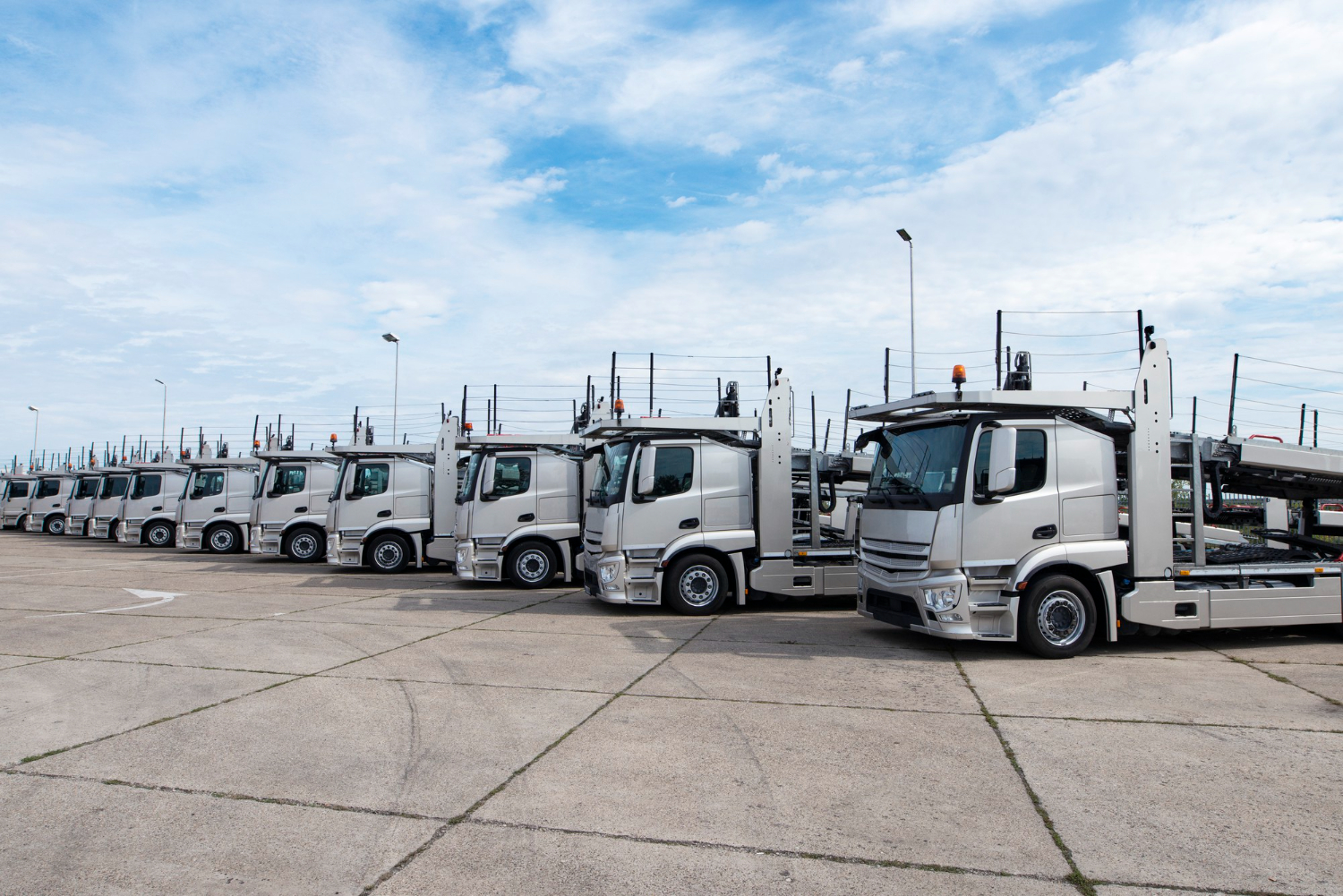
Open vehicle transport is the most commonly used shipping method in the automotive logistics industry. The trucks used for this type of transport carry vehicles on open trailers, usually stacked on two levels.
These trailers typically transport between six and ten vehicles at once depending on the configuration and vehicle sizes.
Open transport is widely used for dealer inventory, auction purchases, fleet distribution, and manufacturer deliveries. Because it allows carriers to move many vehicles simultaneously, it is generally the most cost effective transport method available.
For most standard dealership inventory, open transport is the default shipping option.
What Is Enclosed Vehicle Transport
Enclosed transport involves shipping vehicles inside a fully covered trailer. These trailers protect vehicles from weather conditions, road debris, and environmental exposure during transit.
Enclosed trailers usually carry fewer vehicles than open trailers. Some enclosed carriers transport only two to four vehicles at a time depending on trailer configuration.
Because of the additional protection and limited capacity, enclosed transport is typically more expensive than open transport.
This shipping method is often used for high value vehicles, luxury inventory, collector cars, or vehicles requiring extra protection.
Cost Differences Between Transport Methods
Cost is often the first factor dealers consider when selecting a transport method.
Open transport is usually significantly less expensive because carriers can move more vehicles at once and operate more efficient routes. The cost per vehicle is therefore lower.
Enclosed transport requires specialized equipment and smaller load capacity. Carriers transporting enclosed shipments must charge higher rates in order to cover operating costs.
For most dealership inventory purchased at auction, the cost advantage of open transport makes it the preferred choice.
However, cost alone should not always determine the transport method.
Vehicle Protection Considerations
Although open transport is widely used and generally safe, vehicles transported on open trailers remain exposed to environmental elements.
Road debris, dust, rain, and other external factors may affect the vehicle during transit. While damage incidents remain relatively rare, exposure risk does exist.
Enclosed transport offers an additional level of protection by shielding vehicles from these elements.
Dealers shipping rare, high value, or specialty vehicles may prefer enclosed transport in order to minimize potential risks.
When Dealers Typically Use Open Transport
Most vehicles purchased at auctions are transported using open trailers.
Standard inventory vehicles such as sedans, SUVs, trucks, and economy cars rarely require specialized protection during shipping. Open transport provides a reliable and efficient way to move these vehicles quickly.
Dealers purchasing multiple vehicles from auctions often rely on open carriers because they allow larger shipments to move at once.
In many cases, open transport also offers faster dispatch because more carriers operate open trailers compared to enclosed equipment.
When Enclosed Transport Makes More Sense
There are certain situations where enclosed transport may be the better option.
Dealers handling luxury inventory, collector vehicles, or specialty models may prefer the added protection that enclosed trailers provide.
Vehicles with extremely high retail value or rare specifications may also require enclosed transport to reduce risk during transit.
In some cases, dealerships use enclosed transport when delivering vehicles directly to customers who expect premium handling.
Although more expensive, enclosed shipping can be justified when the value of the vehicle or brand reputation is at stake.
Route Availability and Dispatch Times
Another factor dealers should consider is route availability.
Open transport is widely available across most transport corridors. Because many carriers operate open trailers, dispatch times are usually shorter.
Enclosed carriers are less common, which means shipments requiring enclosed trailers may take longer to schedule depending on location.
Dealers planning to use enclosed transport should account for potential dispatch delays when coordinating vehicle logistics.
Choosing the Right Transport Strategy
For most dealerships, open transport remains the most practical and economical solution for moving auction inventory.
However, having access to both transport options provides flexibility when shipping higher value vehicles or specialty inventory.
By evaluating vehicle value, shipment urgency, route availability, and overall logistics costs, dealers can determine which transport method best fits their needs.
Making informed transport decisions helps ensure that vehicles move efficiently from auction facilities to dealership lots while minimizing risk and controlling costs.