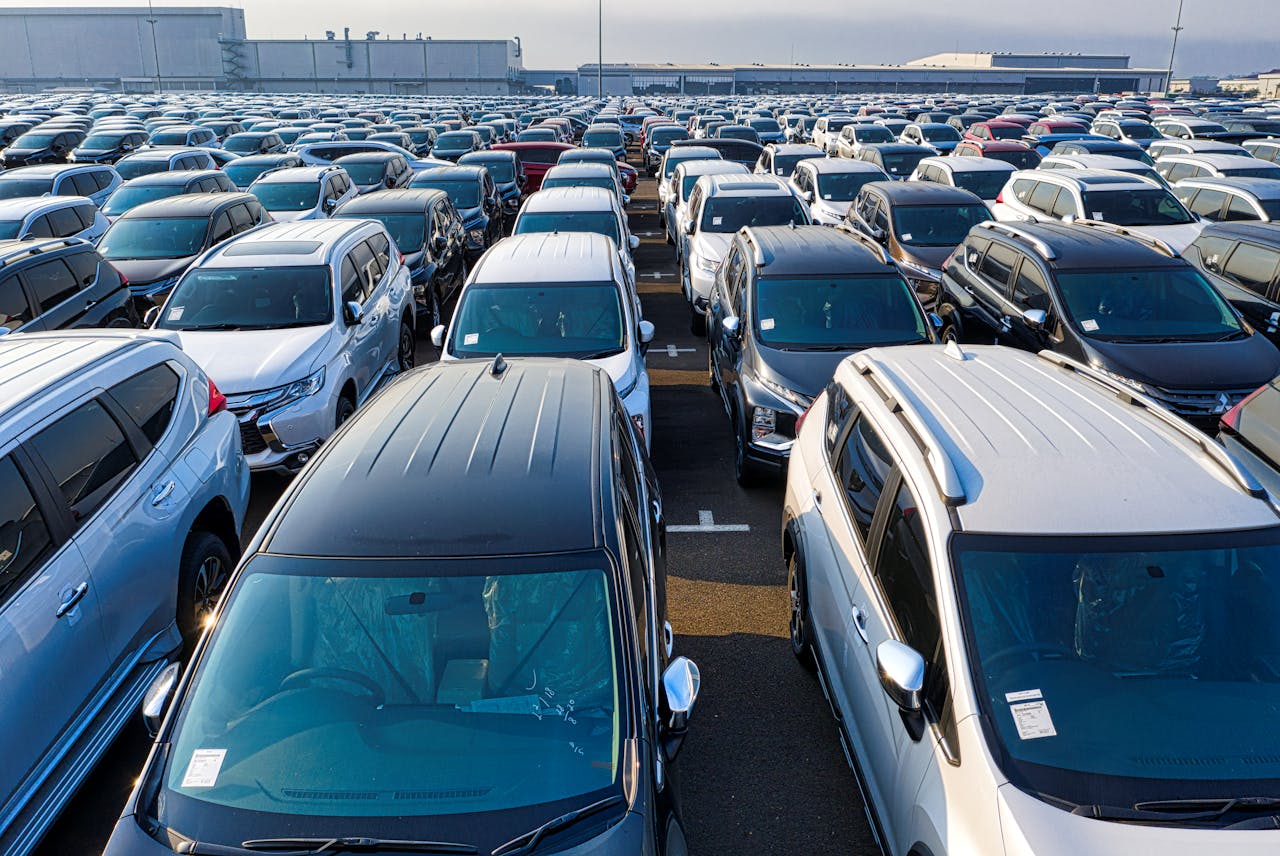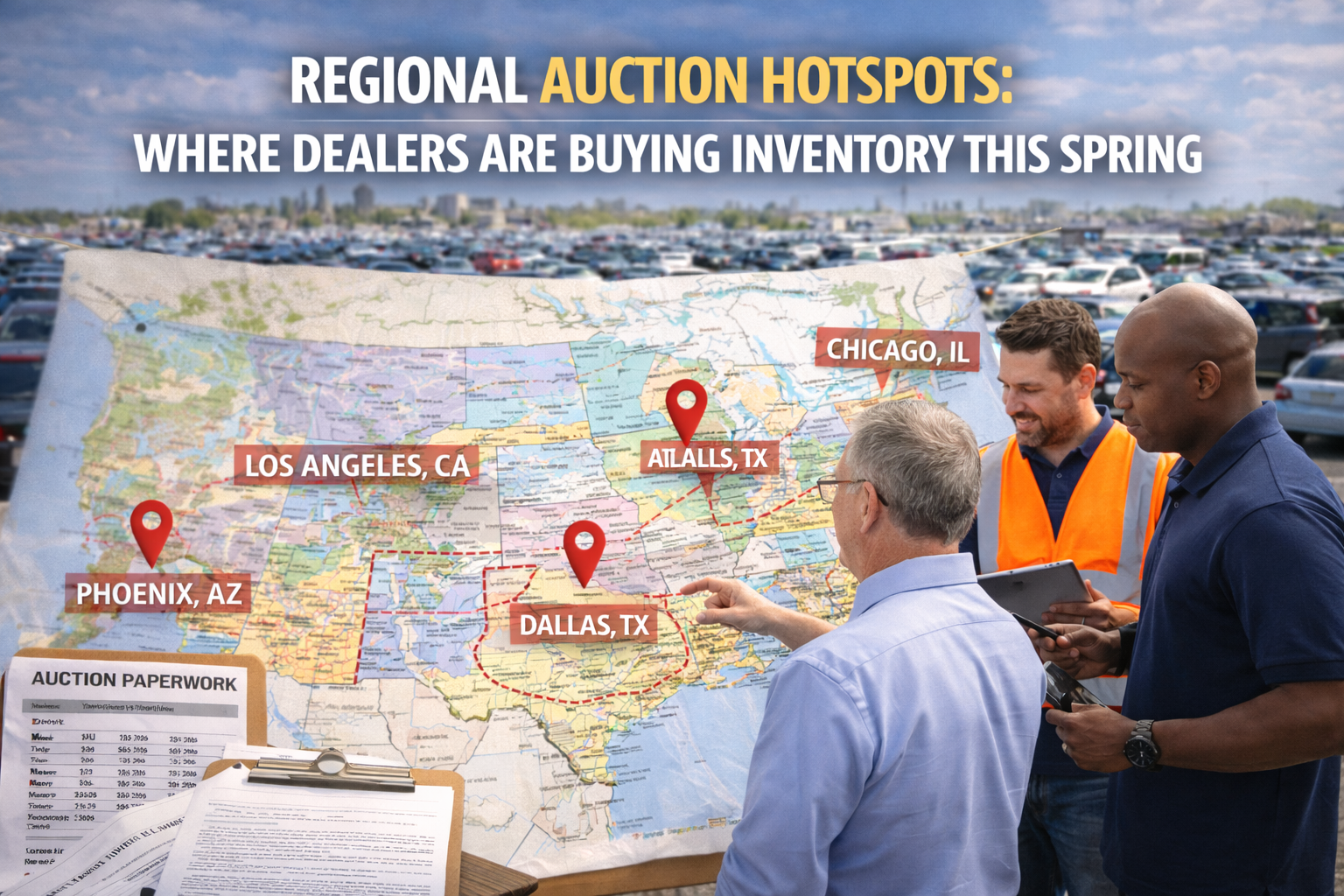
Every spring brings a new wave of activity to the automotive auction market. As dealers prepare their lots for the stronger retail season, inventory sourcing becomes a priority. Auctions across the United States typically experience a noticeable increase in participation during this period, with dealers competing to secure vehicles that match regional demand and pricing opportunities.
In 2026, several auction regions are emerging as particularly active hubs for dealer purchases. These hotspots are influencing not only where vehicles are being bought, but also how they are transported across the country. For carriers, brokers, and dealer groups, understanding these regional trends can help anticipate logistics demand and reduce delays in moving inventory.
This article examines the major auction hotspots this spring and how their activity is shaping vehicle transport patterns.
Why Auction Geography Matters More Than Ever
Vehicle auctions have always played a central role in dealer inventory acquisition. However, the way dealers interact with auctions has changed significantly in recent years.
Online auction platforms now allow dealers to participate remotely, meaning inventory is no longer limited by geographic proximity. A dealer in Ohio might purchase vehicles from auctions in Texas, Florida, or California within minutes.
This shift has expanded inventory options but also increased the complexity of vehicle logistics. Transport routes that were once regional are now frequently national. Vehicles purchased at one end of the country must be delivered quickly to dealerships thousands of miles away.
As a result, the geographic distribution of auction inventory has become a critical factor for both dealers and transport providers.
Florida: A Consistent Source of High Auction Volume
Florida remains one of the most active auction regions in the country. Several factors contribute to its consistently high volume.
First, Florida has a large population and a high concentration of vehicle lease returns. Many of these vehicles enter the auction market once lease terms expire. Additionally, rental fleet turnover in tourist-heavy regions contributes to a steady supply of relatively new vehicles.
Dealers from across the country frequently purchase inventory from Florida auctions due to the availability of clean-title vehicles and a wide range of makes and models.
However, the logistics challenge is clear: many of these vehicles must be transported out of the state. Dealers in the Midwest and Northeast are common buyers, which creates strong transport corridors moving northward.
During peak auction periods, carrier demand on these routes can increase quickly.
Texas: A Strategic Distribution Point
Texas has developed into one of the most important auction markets in the United States. With its central geographic location and large population, the state serves as both a supply source and a distribution hub.
Auctions in cities like Dallas, Houston, and San Antonio attract buyers from surrounding states as well as more distant dealer markets. Texas inventory often includes a mix of fleet vehicles, trade-ins, and lease returns.
Because Texas sits between the West Coast and the Southeast, many carriers use it as a logistical pivot point. Vehicles purchased at Texas auctions may travel in several directions:
- north toward the Midwest
- west toward the Mountain states
- east toward the Southeast
- or remain within Texas itself
This flexibility makes Texas a particularly important region for carriers looking to maintain efficient route planning.
California: Large Inventory, Complex Logistics
California auctions generate massive vehicle volumes due to the state’s population size and active automotive market.
Vehicles originating from California auctions often include late-model cars, electric vehicles, and high-demand imports. Many dealer groups across the country view California as a valuable sourcing region for unique or desirable inventory.
However, transporting vehicles from California can present logistical challenges.
The distance to major dealer markets in the Midwest and East Coast often requires long-haul shipments. These routes demand careful planning and higher transport costs compared to regional moves.
Weather conditions and traffic congestion can also affect dispatch timelines, particularly around major metropolitan areas such as Los Angeles and the Bay Area.
Despite these challenges, California remains one of the most attractive auction markets for dealers seeking diverse inventory.
Georgia and the Southeast Auction Corridor
The Southeastern United States has emerged as another important auction corridor. Georgia in particular hosts several high-volume auction facilities that serve dealers across multiple states.
Vehicles sourced from Georgia auctions often travel to:
- the Midwest
- the Northeast
- or throughout the Southeast
Because of its location, Georgia provides efficient transport access to both coastal and inland dealer markets.
Carriers frequently operate multi-stop routes that originate in the Southeast before moving north or west. This helps optimize trailer capacity and maintain steady transport flow.
As auction activity increases in the region during spring, transport demand along these corridors typically rises as well.
The Midwest: High Demand, Limited Local Supply
While the Midwest contains several auction facilities, many dealers in the region rely on inventory purchased from other states.
This imbalance creates strong inbound transport demand. Vehicles purchased in Florida, Texas, Georgia, and California frequently move into states such as Ohio, Illinois, Michigan, and Indiana.
The Midwest’s central location makes it a key destination market for auction inventory. Dealers in these states often purchase vehicles from multiple regions simultaneously, resulting in complex shipping schedules.
For carriers, these inbound routes represent consistent load opportunities throughout the year.
Spring Inventory Cycles and Auction Activity
The timing of spring auction activity is closely tied to dealer inventory planning.
As consumer demand increases during warmer months, dealerships aim to stock their lots with vehicles that match seasonal buying trends. This often includes sedans, SUVs, and trucks with broad market appeal.
Spring is also a period when many fleet operators refresh their vehicle inventory. Rental companies, corporate fleets, and leasing firms frequently release vehicles into the auction system during this time.
These factors combine to create a noticeable surge in auction listings and dealer participation.
Transport providers typically see a corresponding rise in load requests shortly after these vehicles are purchased.
How Regional Auction Hotspots Influence Transport Routes
When certain auction regions experience higher activity, transport networks adjust accordingly.
Carriers may temporarily focus on routes that originate from high-volume auction facilities. Brokers often prioritize dispatching trucks to these locations because they provide consistent shipment opportunities.
This concentration of demand can influence pricing and availability. If too many loads originate from the same region, carriers may raise rates or delay shipments until efficient routes are available.
Dealers purchasing vehicles from these hotspots may need to plan transportation earlier in order to secure reliable delivery timelines.
The Growing Role of Data in Auction Logistics
Many large dealer groups now track auction performance data to guide purchasing decisions.
Metrics such as:
- average transport time
- transport cost by region
- auction vehicle availability
- seasonal supply patterns
help dealers determine where to source vehicles most efficiently.
By analyzing these trends, dealer groups can balance vehicle pricing against logistics costs. A slightly cheaper vehicle at a distant auction may ultimately cost more once transportation is included.
For this reason, auction geography is becoming an increasingly important part of inventory strategy.
What Dealers and Carriers Should Expect This Spring
The early indicators for 2026 suggest that auction activity will remain strong throughout the spring season.
Digital platforms continue to expand dealer participation, and inventory turnover is expected to increase as lease returns and fleet sales enter the market.
For carriers, this means continued demand along major auction transport corridors. Regions such as Florida, Texas, California, and Georgia are likely to remain central hubs for vehicle movement.
Dealers who monitor these hotspots closely—and coordinate transport early—will be better positioned to keep inventory flowing efficiently from auction lanes to dealership lots.
As auction markets evolve, understanding where vehicles originate is just as important as knowing where they are going. Auction geography is no longer just a background detail in the automotive industry—it is a defining factor in modern vehicle logistics.