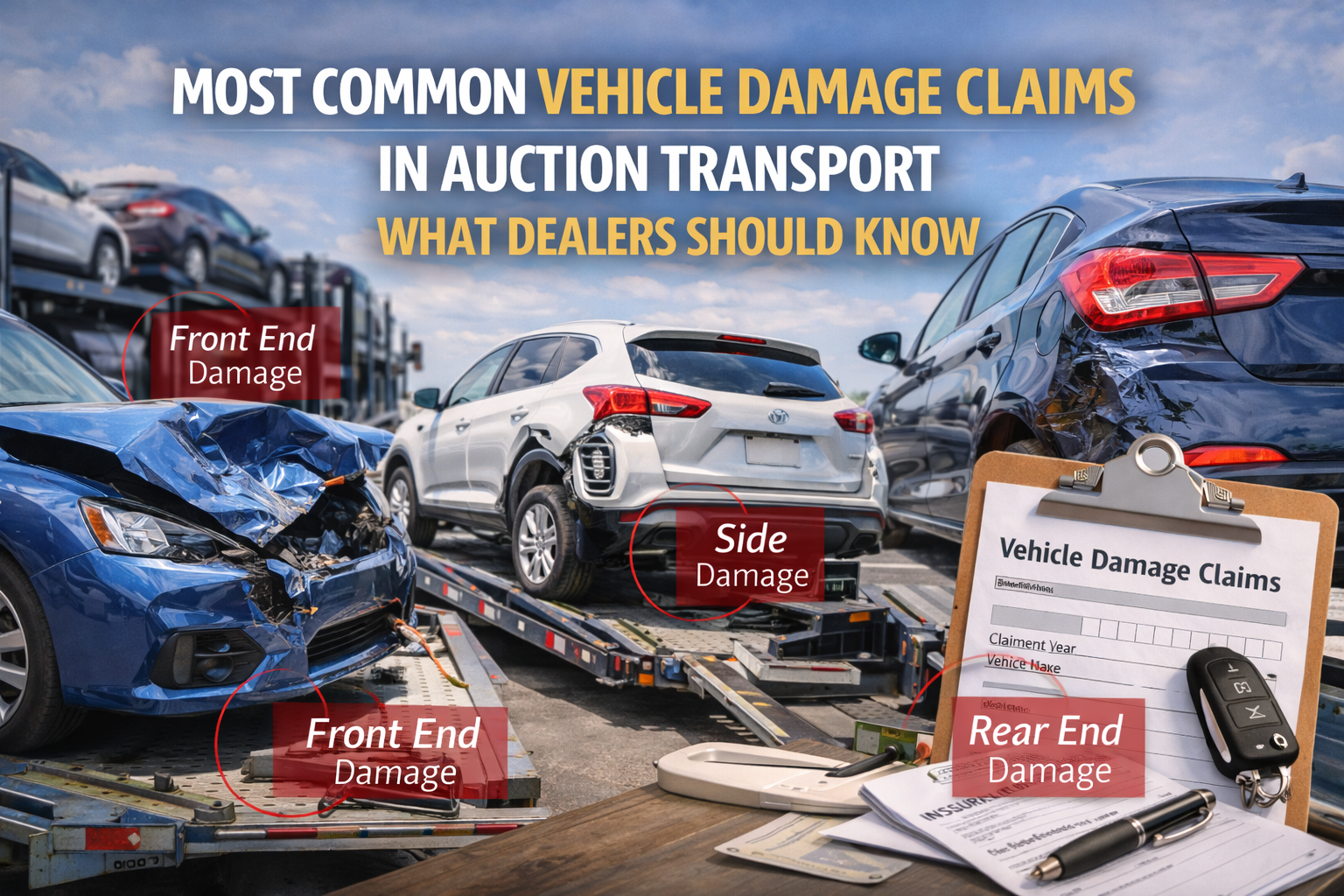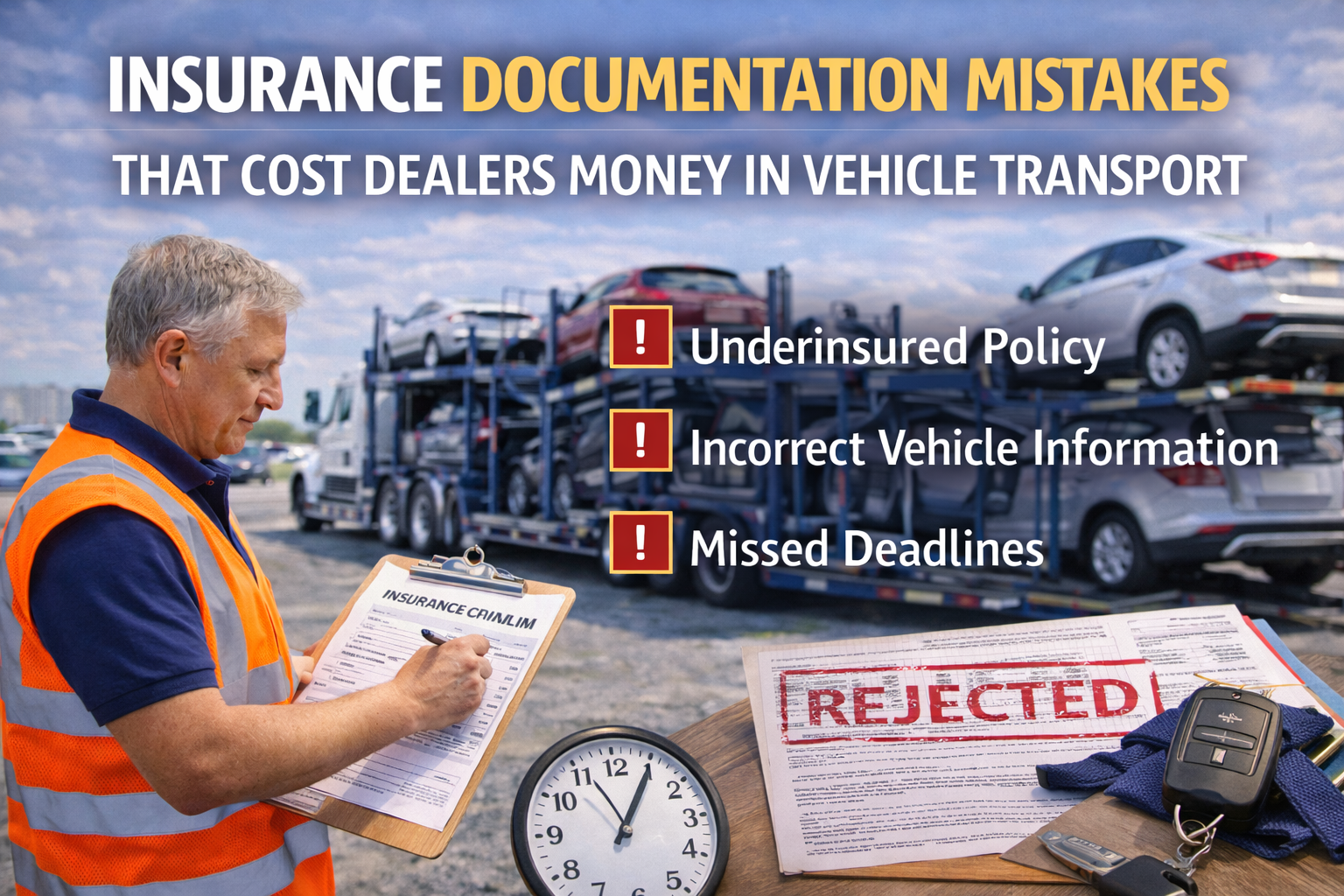
Vehicle transport insurance plays an important role in protecting dealers when moving inventory from auction facilities to dealership lots. In the rare event that a vehicle is damaged during transit, proper insurance coverage and documentation ensure that claims can be processed efficiently.
However, insurance related issues often arise not because coverage is missing, but because documentation errors complicate the claims process.
Many dealers focus primarily on scheduling transportation and delivery timelines, overlooking the importance of accurate insurance documentation. These mistakes can lead to delayed claims or financial losses when damage disputes occur.
Understanding the most common documentation errors can help dealers avoid unnecessary complications.
Failing to Verify Carrier Insurance Coverage
One of the most common mistakes dealers make is assuming that every transport carrier has sufficient insurance coverage.
While most professional carriers maintain cargo insurance policies, coverage limits may vary significantly. Some policies may only cover lower value vehicles or specific transport conditions.
Before assigning shipments, dealers or brokers should verify the carrier’s insurance certificate and confirm the coverage limits.
Ensuring that insurance coverage aligns with the value of the vehicle shipment is a critical step in risk management.
Incomplete Vehicle Condition Reports
Accurate vehicle condition reports are essential for resolving damage claims.
When a vehicle is released from an auction facility, its condition should be documented clearly on the pickup bill of lading. This report typically includes notes about visible cosmetic damage, scratches, dents, or mechanical issues.
If the condition report is incomplete or vague, disputes may arise later about whether damage occurred before or during transport.
Careful documentation at pickup helps establish a clear baseline for the vehicle condition.
Signing Delivery Documents Too Quickly
Another common mistake occurs during vehicle delivery.
When transport drivers arrive at a dealership, staff members may quickly sign delivery documents without performing a full inspection of the vehicle.
If damage is discovered later, it may be difficult to prove that the issue occurred during transport because the delivery paperwork was already signed.
Dealers should always inspect vehicles thoroughly before completing delivery documentation.
Misunderstanding Insurance Claim Procedures
Each carrier may have different procedures for submitting damage claims. Some carriers require claims to be filed within specific time windows, while others require particular documentation or photographic evidence.
Dealers who are unfamiliar with these procedures may delay reporting damage or fail to provide the necessary documentation.
Understanding the claims process in advance helps ensure that any issues can be addressed quickly.
Poor Communication Between Logistics Partners
Vehicle transport often involves several participants including dealers, brokers, carriers, and auction facilities.
If communication between these parties is unclear, insurance documentation may become incomplete or inconsistent.
For example, if the auction condition report does not match the carrier inspection report, disputes may arise when damage claims are filed.
Maintaining clear communication between all parties helps ensure that documentation remains consistent throughout the shipment process.
Why Documentation Matters in Transport Logistics
In the vehicle transport industry, documentation serves as the primary record of vehicle condition and shipment responsibility.
Insurance providers rely heavily on documentation when evaluating claims. Even small discrepancies in paperwork can complicate the claims process.
Dealers who maintain organized records of transport documents, condition reports, and insurance certificates are better prepared to resolve disputes quickly.
Strong documentation practices reduce financial risk and improve overall logistics reliability.
Building Better Insurance Practices
Developing clear internal procedures for insurance verification and documentation review can significantly reduce risk for dealerships.
Some dealer groups assign specific staff members to oversee logistics documentation. Others rely on transport brokers who manage carrier verification and paperwork on their behalf.
Regardless of the approach, the goal is the same – ensuring that all insurance related information is accurate before and after each shipment.
By paying close attention to insurance documentation, dealers can protect themselves from costly mistakes and maintain smoother vehicle transport operations.