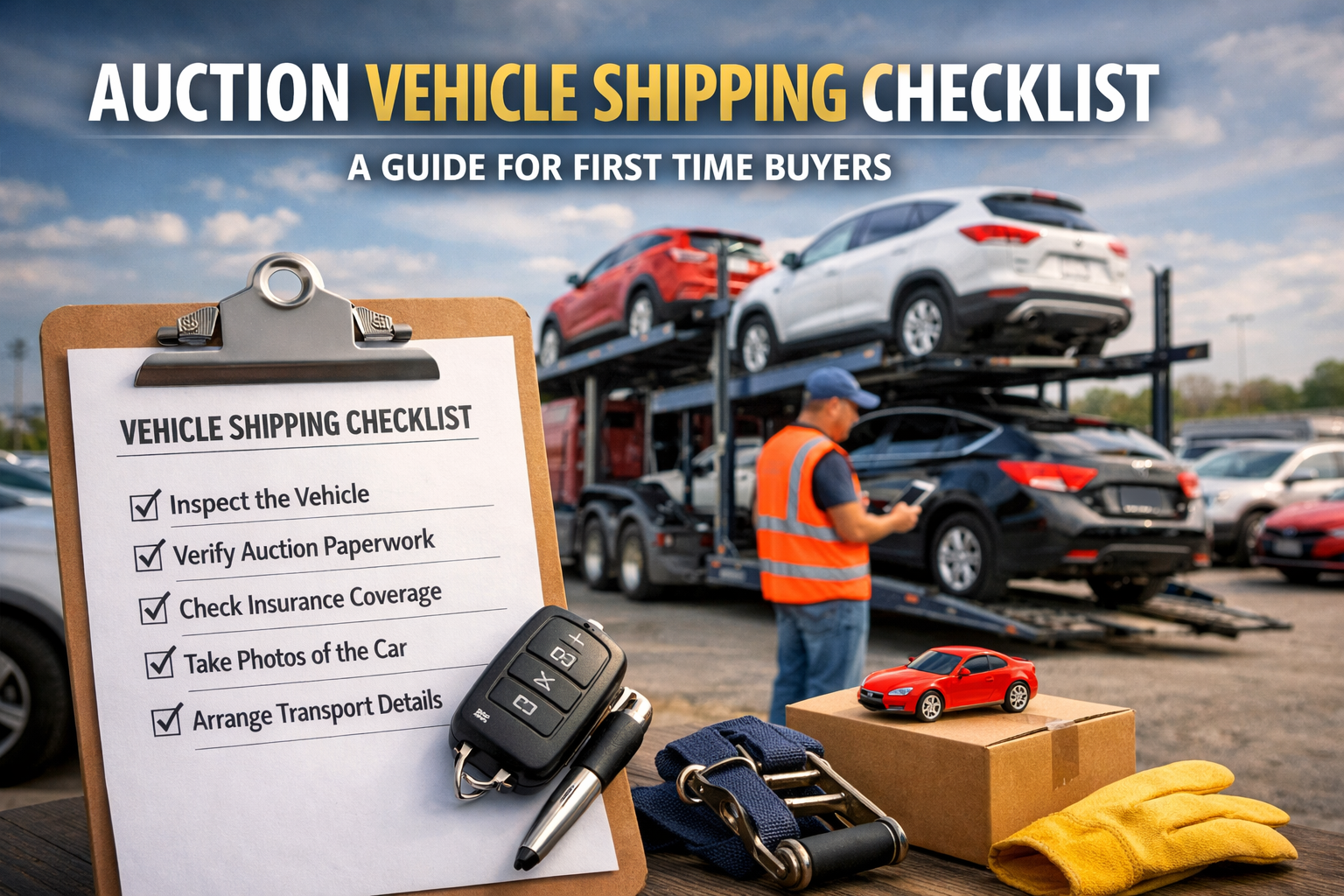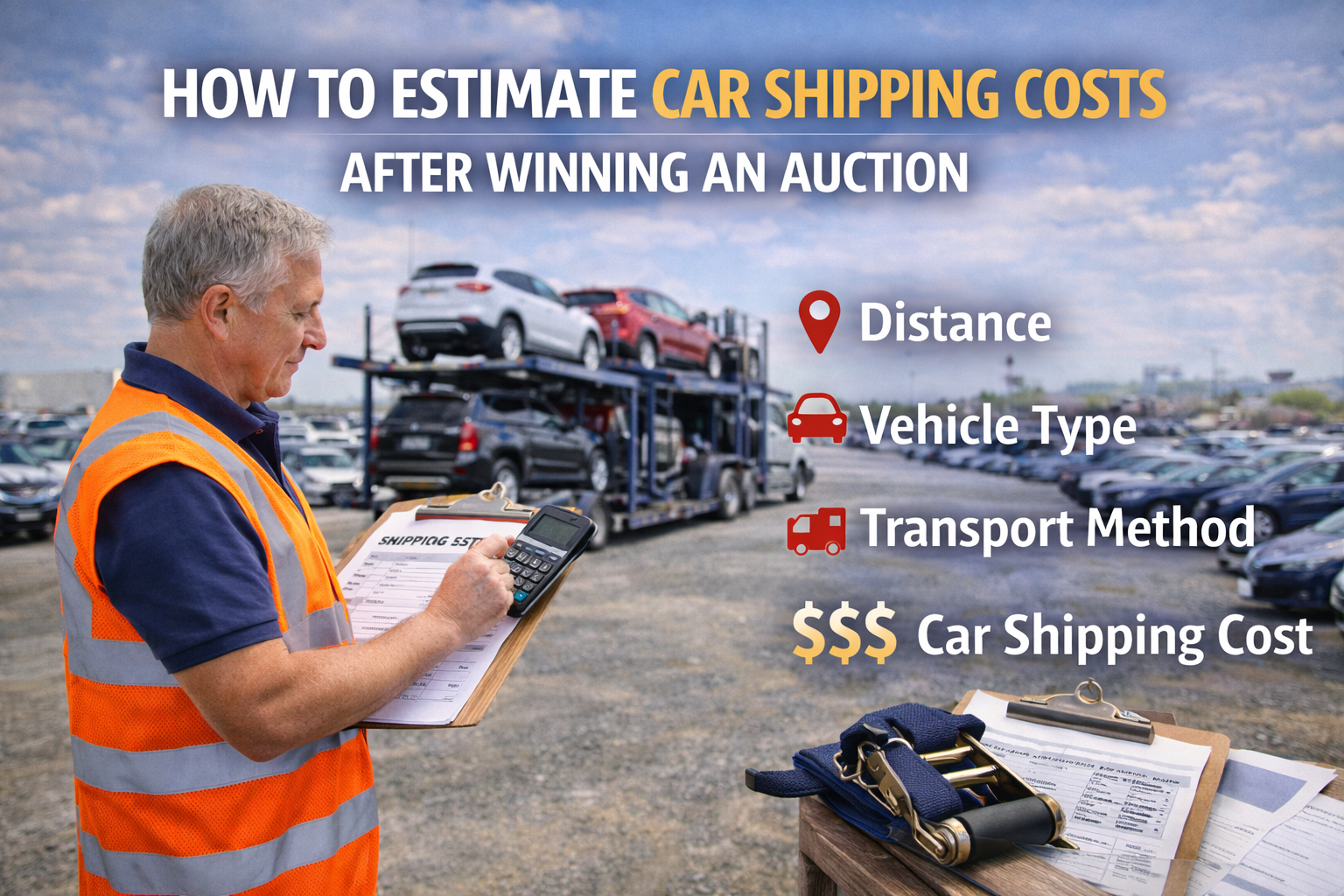
When buyers win vehicles at auction, transportation costs quickly become an important part of the overall purchase decision.
The price paid at auction represents only part of the total cost of acquiring inventory. Shipping the vehicle from the auction facility to its destination can significantly affect profitability.
Understanding how vehicle shipping costs are calculated helps dealers and buyers plan logistics budgets more accurately and avoid unexpected expenses.
Distance Is the Primary Cost Factor
The distance between the auction facility and the delivery destination is the most important factor affecting transport costs.
Longer routes require more fuel, driver time, and equipment use. As a result, carriers charge higher rates for shipments traveling greater distances.
For example, transporting a vehicle within the same state may cost significantly less than shipping a vehicle across several regions of the country.
Buyers should always consider transport distance when evaluating auction purchases located far from their primary market.
Transport Route Efficiency
Shipping costs also depend on whether a vehicle’s route aligns with common transport corridors.
Some routes experience high vehicle movement between major auction locations and dealer markets. Carriers operating along these corridors can combine shipments efficiently.
Vehicles traveling along well established routes often benefit from lower shipping costs.
In contrast, shipments originating from remote locations or traveling to less common destinations may require carriers to make additional detours.
These less efficient routes usually result in higher transport rates.
Vehicle Size and Weight
The physical characteristics of the vehicle also influence shipping costs.
Larger vehicles such as pickup trucks, SUVs, and commercial vans occupy more trailer space than compact sedans.
Because trailer capacity is limited, carriers must account for vehicle size when calculating rates.
Transporting oversized vehicles may reduce the number of vehicles a carrier can place on a trailer, which increases the cost per vehicle.
Seasonal Transport Demand
Transport pricing often fluctuates throughout the year based on seasonal demand.
During periods of high auction activity, transport demand may exceed available carrier capacity. When this occurs, brokers and carriers may increase shipping rates.
Seasonal factors such as winter weather, major holidays, or increased fleet turnover can also affect pricing conditions.
Buyers who understand these seasonal trends can better anticipate shipping costs when planning auction purchases.
Carrier Availability
Transport rates are also influenced by the availability of carriers operating in a specific region.
If multiple carriers are available along a particular route, competition may help stabilize shipping prices.
However, when carrier availability is limited, brokers may need to increase load pricing in order to attract transport providers.
Monitoring carrier availability helps buyers understand when transport costs may increase.
Using Shipping Estimates During Auction Bidding
Experienced auction buyers often estimate transport costs before placing bids on vehicles.
By factoring shipping costs into their bidding strategy, buyers can determine whether a particular vehicle remains profitable once logistics expenses are included.
This approach prevents situations where a seemingly attractive auction purchase becomes less profitable after transport costs are added.
Shipping estimates therefore play an important role in responsible auction purchasing decisions.
Planning Logistics Budgets
For dealers purchasing multiple vehicles each week, transportation costs represent a significant portion of operating expenses.
Developing accurate logistics budgets requires understanding how transport pricing works and how market conditions affect shipping rates.
Dealers who track shipping costs across multiple routes can identify patterns and plan their inventory sourcing strategy accordingly.
By incorporating transport costs into purchasing decisions, dealers can maintain stronger control over inventory profitability.